
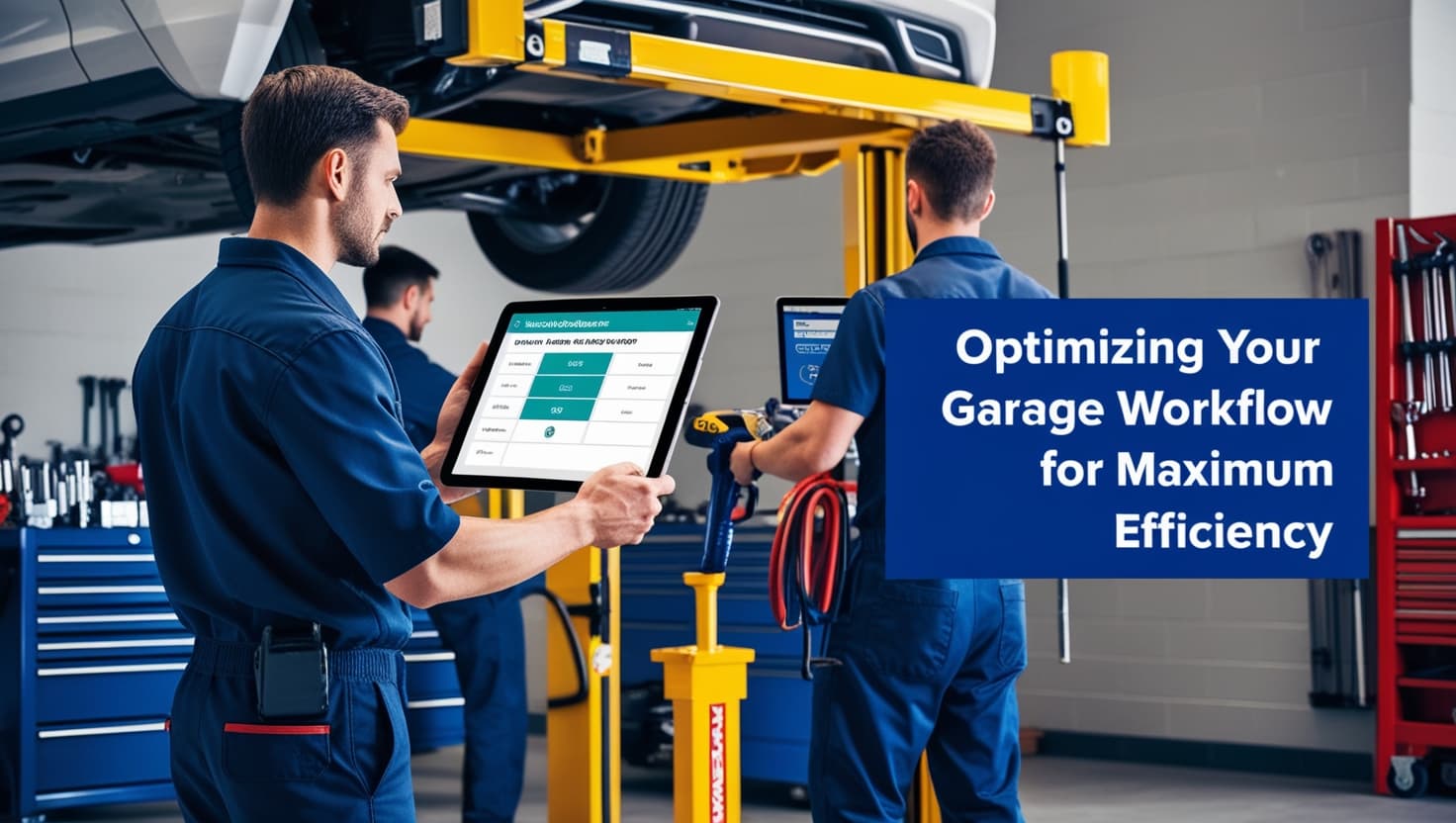
In the fast-paced world of automotive service, efficiency is key to running a profitable and well-regarded garage. With increasing consumer demands and competition, finding solutions to simplify processes and decrease downtime is critical. In this guide, we’ll explore practical strategies for optimizing your garage workflow, boosting productivity, and enhancing customer satisfaction.
1. Assess Your Current Workflow
Before making changes, it’s important to understand how your garage currently operates. Conduct an assessment to pinpoint bottlenecks, inefficiencies, and areas where time is lost.
Steps to Assess Workflow:
i. Map Out Key Processes: Break down each step of your garage operations, from customer check-in to service completion.
ii. Gather Team Input: Consult with your mechanics, service advisors, and other staff to identify pain points.
iii. Track Data: Use software or manual methods to monitor how long each task takes and where delays typically occur.
By understanding your current workflow, you’ll be better equipped to make targeted improvements.
2. Invest in Digital Tools and Automation
One of the most effective ways to boost efficiency is by adopting digital tools. Garage management software, such as MechManager, can automate many time-consuming tasks and centralize information.
Key Benefits of Digital Tools:
i. Centralized Scheduling: Simplify appointment management by having all bookings in one system accessible to your team.
ii. Real-Time Updates: Track the status of each job and provide updates to customers automatically.
iii. Service Reminders: Automatically send reminders to customers for scheduled maintenance, keeping your calendar full and reducing no-shows.
By automating scheduling, communications, and data entry, you allow your team to focus on actual service work, improving productivity and workflow.
3. Organize Your Workstations for Efficiency
A well-organized garage can cut down on time spent searching for tools or moving vehicles around. Optimize the layout of your workstations so that tools and frequently used parts are within easy reach.
Tips for Organizing Your Garage:
i. Implement Tool Shadow Boards: These boards outline where each tool belongs, so staff can easily spot if something is missing.
ii. Label Storage Areas: Clear labeling of shelves and bins helps mechanics find the parts they need quickly.
iii. Create Designated Work Zones: Dedicate specific bays for particular services, such as oil changes or tire rotations, to minimize the need for vehicle shuffling.
A clean and orderly workspace not only speeds up service but also contributes to a safer environment.
4. Optimize Inventory Management
Delays in service often result from waiting for parts or running out of essential supplies. Implementing a strong inventory management system ensures that your garage is stocked and ready for any job.
Inventory Best Practices:
i. Real-Time Tracking: Use software like MechManager to monitor part usage and stock levels. This reduces the chance of running out of parts unexpectedly.
ii. Set Reorder Alerts: Establish automatic alerts for when inventory levels fall below a specified threshold.
iii. Work with Reliable Suppliers: Maintain good relationships with your vendors to ensure quick delivery when new parts are needed.
Keeping your inventory organized and well-stocked minimizes downtime and keeps jobs moving smoothly.
5. Train Your Team and Promote Communication
Even the most optimized workflow can falter without a well-trained and cohesive team. Ensuring that your staff is up-to-date with training and able to communicate effectively can improve service speed and quality.
Strategies for Team Training and Communication:
i. Regular Workshops: Host training sessions to keep staff current on best practices and new technologies.
ii. Clear Communication Channels: Use messaging tools or a centralized board to post updates and job assignments.
iii. Cross-Training: Encourage cross-training so staff can assist with different types of work when needed, providing more flexibility during peak hours.
A knowledgeable and well-coordinated team can adapt quickly to changes, troubleshoot issues, and maintain high service standards.
6. Standardize Procedures
Standardized procedures help maintain consistency and efficiency, especially when onboarding new staff or handling complex tasks. Document key processes and make them accessible to everyone in the garage.
Benefits of Standardized Procedures:
i. Faster Training: New employees can get up to speed quicker when processes are documented and easy to follow.
ii. Consistent Quality: Customers receive the same high level of service, no matter who is working on their vehicle.
iii. Reduced Errors: With clear instructions, there is less room for mistakes, leading to smoother workflow and fewer reworks.
7. Integrate Customer Management Systems
Managing customer information efficiently contributes to a smoother workflow and better customer service. A comprehensive system like MechManager helps consolidate customer details, service histories, and preferences.
Customer Management Features to Use:
i. Digital Records: Keep all customer and vehicle data in one place for quick reference.
ii. Service Histories: Review past repairs and services to provide personalized service and recommendations.
iii. Automated Follow-Ups: Send updates on service progress and reminders for future maintenance.
These features make customer interactions smoother and help create a seamless experience that encourages repeat business.
8. Evaluate and Adjust Your Workflow Regularly
Continuous improvement is required to maintain an effective process. Regularly examine your procedures, solicit input from your team, and make any improvements.
Steps for Ongoing Evaluation:
i. Schedule Periodic Reviews: Assess workflow and performance metrics every few months.
ii. Collect Team Feedback: Ask staff for input on what’s working and where they see potential improvements.
iii. Analyze Customer Feedback: Review feedback and ratings to identify areas that may need attention.
Conclusion
Optimizing your garage workflow takes time, but with a clear plan and the right tools, significant improvements can be made. From leveraging MechManager for scheduling and inventory to training your team and streamlining processes, these steps can transform your garage into a more efficient, productive, and customer-focused business.
Implementing these strategies will help you stay ahead in the competitive automotive industry and ensure long-term success for your garage.
*Ready to take your garage to the next level? Experience the difference with MechManager's software solutions. Visit us at mechmanager.com. Don't forget to read our other helpful blogs here. https://mechmanager.com/blogs